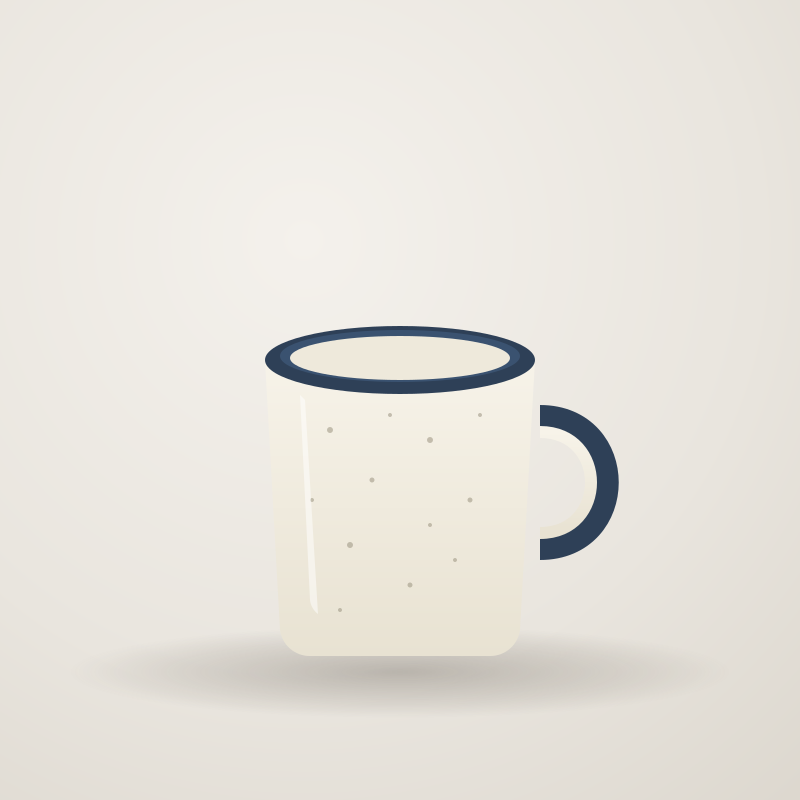
Image 1 has no alt text. Nothing describes it to a screen reader, to Google Images, or to a shopping assistant reading your listing.
1 of 1 image is missing alt text.
Brass Compass
$54active1 variant1 image
On a connected store this is a link to the live product page on your storefront.
Conversion
39
Search visibility
36
AI shopping
23
Start here — and why
42 on the checks, shown as 39
This product passes enough checks to score 42. We hold it at 39 because one of the things it fails is bad enough on its own that an average would bury it. A critical finding keeps a product under 40 however tidy the rest of it is.
No description at all
Write one. This page currently gives a shopper nothing to read.
Do this one and the cap lifts: with nothing else on the product changed the score would be 42. It is the first of 8 findings below — they are in the order we would do them, closest to a purchase first.
Your photographs
This photo is big enough to zoom into
We measured it. This is about size only — we haven't looked at the lighting or the styling and won't pretend to. It is 2048px on its longest side; Shopify needs about 1600px before a shopper can zoom in.
- Good size
2048×2048
What a good product photo does
Diagrams, not your photographs — we haven't edited anything of yours.
Fills the frame
The product, not the room it was shot in.
Plain background
One flat wall, sheet or table. No clutter.
Same shape each time
Square is the safest. Never mix.
What to do, in this order
- 1
Add photos until there are at least three: the whole thing, a close-up of the material or finish, and one that shows the scale.
- 2
Describe each photo in the alt text. StoreFix can draft these for you from the findings below.
On a connected store this is a button straight into that product's media in your Shopify admin. Upload replacements there and StoreFix picks up the new sizes the next time you refresh the page.
No photographs to work from? Shopify runs a free stock library called Burst, and its built-in media editor can cut a busy background out of a photo you already have. Search either by name from your admin — we don't link out to tools we can't promise are still there.
StoreFix found 8 things
In the order we'd do them — closest to a purchase first, not worst score first.
1No description at all
CriticalProduct content- Evidence
- description is empty
- Why it matters
- A shopper who lands here has a title, a price and nothing to justify either. There is also no text for Google to rank, nothing for an AI assistant to quote, and no way this page can win a search for anything except your exact product name.
- Recommended fix
- Write one. This page currently gives a shopper nothing to read.
On a connected store this is a Draft a fix button. It writes a replacement, shows it beside what is there now, and nothing changes until you press apply.
2Only one product photo
HighConversion- Evidence
- 1 image attached
- Why it matters
- One photo answers what it looks like from the front and nothing else. Shoppers reach for a second image to judge scale, material and finish — the things that decide whether they'll be disappointed — and when it isn't there, some of them resolve the doubt by not buying. This is the single most common reason a listing that looks finished converts like an unfinished one.
- Recommended fix
- Add a second and third angle — a detail shot and something showing scale or use.
There's no generator for this one. It needs a decision only you can make — a photograph, a restock, or a category — so we'd be inventing it.
3No meta description
MediumSearch visibility- Evidence
- seo.description is empty
- Why it matters
- This is the sentence under your link in Google, and it's the whole pitch someone reads before deciding whether to click you or the competitor below you. Left empty, Google grabs whatever text it finds first — often a shipping notice or a cookie banner.
- Recommended fix
- Write the sentence you want under your link in Google. Left empty, Google picks its own.
On a connected store this is a Draft a fix button. It writes a replacement, shows it beside what is there now, and nothing changes until you press apply.
4No brand declared
MediumAI shopping- Evidence
- vendor field is empty
- Why it matters
- A growing share of product discovery starts with someone asking an assistant for a brand by name. Those systems match on the vendor field, and a product that doesn't state one can't be returned for a branded request — including requests for your own brand.
- Recommended fix
- Set the Vendor field. Assistants asked for a brand by name can't match a product that doesn't state one.
There's no generator for this one. It needs a decision only you can make — a photograph, a restock, or a category — so we'd be inventing it.
5Photos have no alt text
LowSearch visibility- Evidence
- 1 of 1 images have no alt text
- Why it matters
- Alt text is what Google Images indexes and what a screen reader reads aloud, so an untagged photo is invisible to image search and silent to a shopper using assistive technology. In several countries that second part is also a legal exposure, not just a missed sale.
- Recommended fix
- Describe what each photo shows. It's what Google Images reads and what a screen reader announces.
On a connected store this is a Draft a fix button. It writes a replacement, shows it beside what is there now, and nothing changes until you press apply.
6Variants carry no SKU
LowAI shopping- Evidence
- 0 of 1 variants have a SKU
- Why it matters
- The SKU is the identifier your own systems match on — inventory, returns, fulfilment, ad feeds and marketplace listings all key off it. Without one, every one of those has to fall back to matching on the product title, which breaks the moment you rename anything.
- Recommended fix
- Give each variant a SKU. It's the handle everything downstream matches your listing on.
There's no generator for this one. It needs a decision only you can make — a photograph, a restock, or a category — so we'd be inventing it.
7No tags
LowAI shopping- Evidence
- no tags set
- Why it matters
- Tags are what your own collections, search and filters run on, and they are the closest thing your catalogue has to a description of a product's attributes — colour, material, occasion, who it's for. With none set, this product can only be reached by browsing to it, and an assistant asked for “something waterproof” has nothing to match against.
- Recommended fix
- Add a handful: material, colour, use case, who it's for. They drive your own filters before they drive anything else.
There's no generator for this one. It needs a decision only you can make — a photograph, a restock, or a category — so we'd be inventing it.
8Variants carry no barcode
LowAI shopping- Evidence
- 0 of 1 variants have a barcode
- Why it matters
- A GTIN is how the rest of the internet knows your listing is the same item sold elsewhere — it's what attaches reviews, price comparisons and Google Shopping matches to your page. Without it this product is treated as something nobody has ever reviewed.
- Recommended fix
- Add the GTIN/UPC/EAN if the product has one. It's how an engine knows your listing is the same item sold elsewhere.
There's no generator for this one. It needs a decision only you can make — a photograph, a restock, or a category — so we'd be inventing it.
Why an AI shopper may struggle to recommend this product
23AI shopping
These are questions a shopping assistant has to answer out of a store's product data before it can put Brass Compass in front of anyone. We have not asked any assistant about this catalogue — this is only what these fields can and cannot support.
6 it cannot answer
Who makes it?
Assistants group and filter by brand before they compare anything. With no vendor the product is not in the set.
Tell me about it.
An answer is written out of the description. Under 300 characters there isn't enough to write one from — this product has 0.
Give me the short version.
The meta description is the summary that travels — it is what gets shown in a list of options rather than a full page.
Is this the same one I saw on another site?
A GTIN or barcode is how the same physical product is matched across retailers. Without one this listing is a separate, unmatched thing.
Which exact item is this?
A SKU is what a specific variant is referred to by once the conversation gets to ordering.
What does it look like?
A text-only assistant reads alt text, not pixels. An image with no alt text is, to it, not there.
3 it can
- What kind of thing is it?
- Accessories
- What does it cost?
- 54 USD
- Can I buy one right now?
- 1 of 1 variants in stock
What we read from the example
These are the fields we wrote for northbound-supply.example, a store that does not exist. Every finding above comes from one of these values, so any of them can be checked against the list.
- Vendor
- empty
- Product type
- Accessories
- Search title
- falls back to the product title
- Meta description
- empty
- Description length
- 0 characters
- Images without alt text
- 1 of 1
- Variants with a SKU
- 0 of 1
- Variants with a barcode
- 0 of 1
- Variants in stock
- 1 of 1
- Tags
- empty