Live demo
The dashboard, before you buy
Northbound Supply Co. is not a real store. We made it up.
Its 14 products were written by hand for this page and are sold nowhere.
Everything else is real: the same 19 checks, the same weights, and the same code that runs against a connected store.
No screenshots, no mockups.
Northbound Supply Co.
northbound-supply.example · USD · example catalogue, not connected to Shopify
3 sections. This is the first one.
- OverviewYour store at a glance, and the page most worth making over first.
- Product MakeoversPick a product and see its page rebuilt side by side, before anything is applied.
- SettingsConnect or disconnect your Shopify store, and manage your plan.
The one with an arrow runs on this fictional catalogue. The rest need your own store connected, so we have not linked them to a page that would only ask you for one.
Catalogue score
Serious problems
18 jobs across 13 of 14 products · about 5.4 hours of work
Scored just now, from the example products — not read from a Shopify admin.
The +11 over 14 days is part of the example too — on a connected store the line starts the day you connect it, at one reading a day.
How this number is worked out
This is the average of every product's own growth score, and each of those is 19 checks run against the product fields a connected store exposes. No model decides any number on this page.
We can draft a fix for 22 of them for you to approve.
Do this first
The work worth your time before anything else — what is wrong, and the exact change to make.
Top 3 of 18 jobs
severity × reach
1Description too thin to sell withHigh · 4 products · 48 min · we draft it
Why it costs you
A short description doesn't answer the questions that stop a purchase — sizing, materials, what's included, what happens if it's wrong. Every question left open is either a support email or an abandoned cart, and it's usually the second one.
What to do
Cover what it is, who it's for, what it's made of and what happens if it's wrong.
What we found
Show me what to fix →Biggest job in your catalogue
2Description stops before the questions startMedium · 7 products · 56 min · we draft it
Why it costs you
There is a real description here — it just runs out before it covers sizing, materials, what's in the box and what happens if it's wrong. Under about 600 characters there is rarely room for all four, and the one you left out is the one a particular shopper needed.
What to do
Add the specifics: dimensions or fit, what it's made of, what's included, and your returns line.
What we found
Show me what to fix →93% the impact of job 1
3No description at allCritical · 2 products · 30 min · we draft it
Why it costs you
A shopper who lands here has a title, a price and nothing to justify either. There is also no text for Google to rank, nothing for an AI assistant to quote, and no way this page can win a search for anything except your exact product name.
What to do
Write one. This page currently gives a shopper nothing to read.
Show me what to fix →60% the impact of job 1
What's working, what's costing you
Where all 14 of your products are strong, where the score is leaking, and how they are spread.
Your catalogue, counted
14 products
Where the score is lowest
- AI shopping
- 78
- Conversionweakest
- 66
- Searchweakest
- 66
How your products are spread
14 scored
The biggest group — 6 of 14 — score between 70 and 79.
How urgent the work is
53 findings
11 of 53 sit at critical or high.
Products that need nothing
1of 14
What else we counted
Products scoring 80+
1 of 14
Best and worst product
100 / 23
Your strongest side
78 /100
By priority
- Critical
- 4
- High
- 7
- Medium
- 21
- Low
- 21
And where
- AI shopping
- 16
- Search visibility
- 15
- Product content
- 13
- Conversion
- 9
Conversion and Search are both on 66, 12 points behind your best side — so neither is the one thing to fix. Start with whichever matters more to you.
The highest of the three averages we compute per product. The other two: Conversion 66, Search 66.
Each average is that score across every product read, 0–100. Priority is weight × how close the check sits to a purchase — never a model's opinion.
Your products
Which 5 products to open first, and the reason each one is here.
14 products in the example — open any row
- noneCritical severity
Billycan, 1.5L
No product photos — 0 images attached
23
 Critical severity
Brass Compass
No description at all — description is empty
39
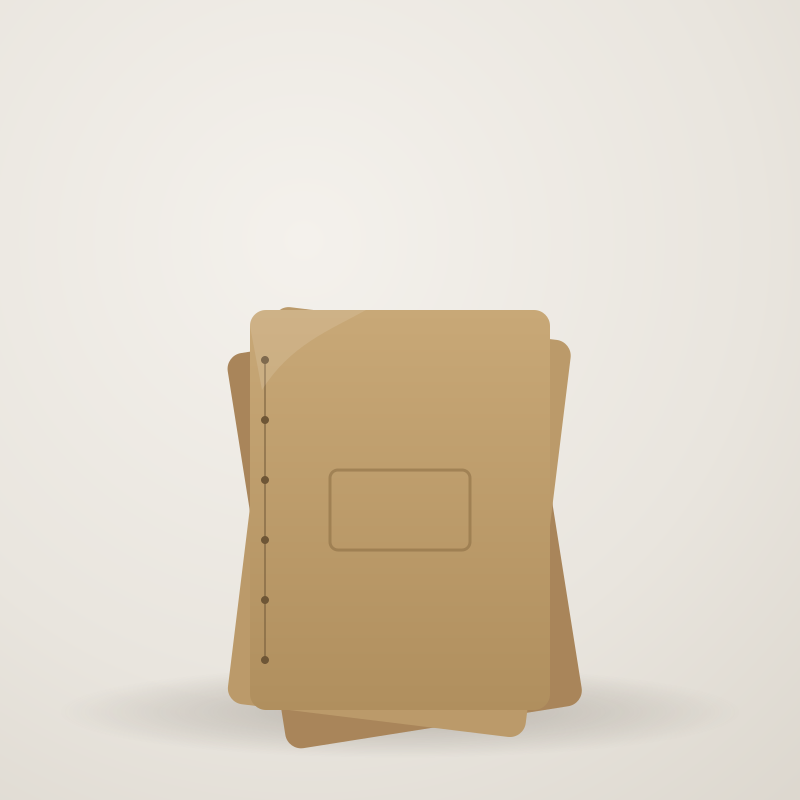 High severity
Surveyor Field Notebook, Pack of 3
Only one product photo — 1 image attached
41
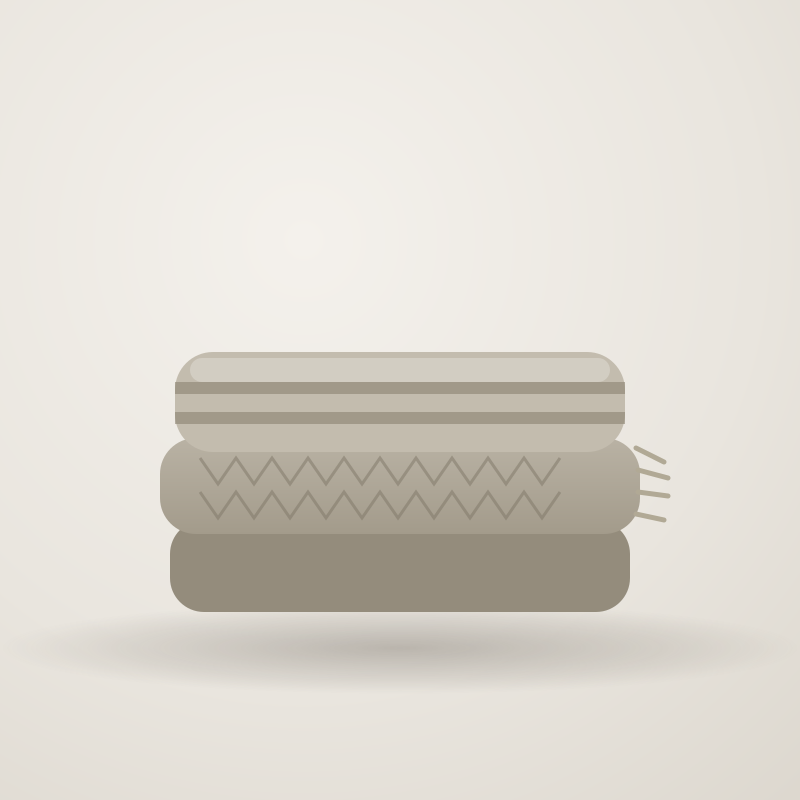 High severity
Ridgeline Wool Watch Cap
Description too thin to sell with — 189 characters of description
68
 Medium severity
Quarry Canvas Apron
Photos are too small to zoom — smallest photo is 1280px on its longest side
70
A connected store is re-read every time you open this page, and re-checked on its own every day in the background.
Daily is the default; you can set it to every 3 days or weekly instead, and a weekly summary of what is still open goes out on Mondays. There is no store behind this example, so there is nothing to schedule and nobody to write to — on a real one this line names the address we email, and we only email when something actually changed.
How StoreFix worksFive steps, about a minute to read. We read your products, score each one, rank the work, and never change anything you haven't approved.
- 1
We read your store, live
Once a store is connected, every page in here is built from a fresh read of your Shopify admin at the moment you open it — not from a copy taken last night.
- 2
Every product gets its own score
19 checks per product — the description, the photos, the search fields, and the product data an AI assistant needs before it can recommend you. The big number at the top is the average of those, so it moves when your products do. No model decides any score in StoreFix.
- 3
The findings become a ranked list of jobs
One finding across forty products is one job, with the minutes it costs beside it. The Action Plan writes each job out in full: what is wrong, why it costs you, what to do, and the products it is on.
- 4
We draft the wording — you approve it
For the jobs that need new prose, StoreFix writes a version from your own product data and shows it to you beside what is there today. Nothing is written to your store until you press approve, and the previous value is kept, so any change can be put back.
- 5
There is no “mark as done”
Fix something, and the check stops firing — so the job leaves the list on your next visit and the work behind it moves up. You never maintain a checklist, which means it can never go out of date and quietly lie to you.
We cannot change your store on our own
Every write is one you pressed a button for. There is no background job in StoreFix that edits products.
Leaving takes nothing with it
Disconnecting deletes the stored token and the score history. Your products are untouched either way.
Want these numbers about your catalogue?
The scan reads your storefront without anything to install, and tells you what a shopper, Google and an AI assistant can see.
Running it is free, and so is your score and the worst problem it finds; the rest of the list needs a plan.
The dashboard above needs a connected store, because it reads the fields themselves rather than guessing them from a page.
Links inside the demo go to the real dashboard, which will ask you to connect a store.
There is no fictional product page behind them — we would rather stop at the edge of what we actually built than mock up the rest.